


The Role of Diet in Supporting Liver Health
When doctors at many hospitals started noticing fatty liver changes in people who had come for unrelated issues, it raised a quiet alarm. These were not people with complicated medical histories. Some were young IT employees. Some were homemakers who rarely ate outside. A recent Indian study even pointed out that nearly twenty percent of adults show early liver changes without any warning signs.
The liver seems fine on the outside right up until a scan shows otherwise. That’s the tricky part. It works silently, filtering everything we eat, drink, breathe in, or absorb. So when eating habits drift toward convenience foods and high sugar drinks, the liver is the first organ to feel the impact.
Most people think of the liver only when something goes wrong. But food choices influence it every single day. Doctors often explain that the liver doesn’t need expensive “detox” methods. It needs less strain and more steady nourishment.
How Food Can Support the Liver Naturally
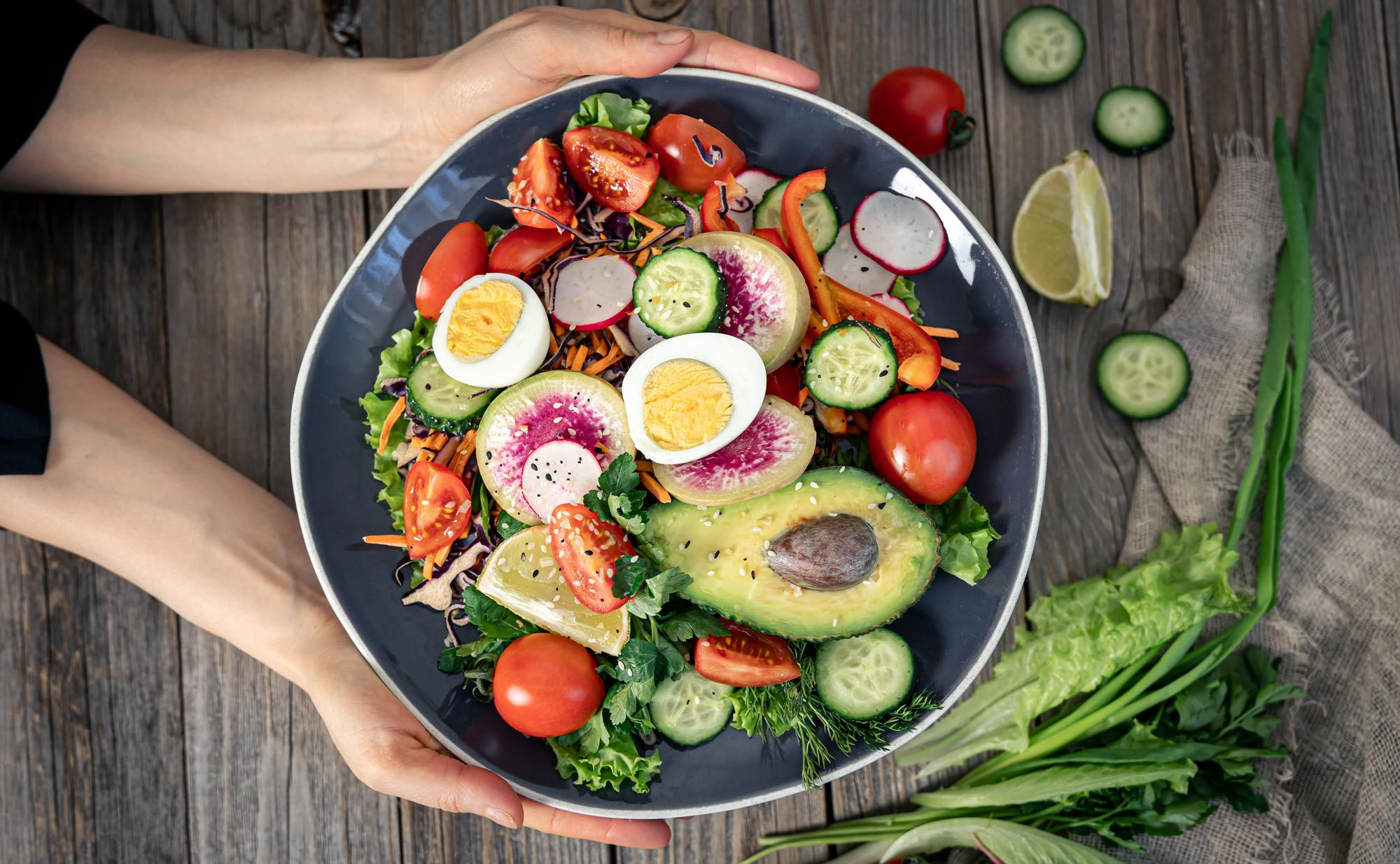
Vegetables are the simplest support system for the liver. Greens, especially the ones we usually ignore at the market, contain antioxidants that settle inflammation. They also reduce how many toxins get absorbed, which means the liver doesn’t have to work overtime later.
Fruits contribute in their own quiet way. Citrus fruits help break down fat more easily. Apples carry pectin, a type of fibre that binds unwanted substances in the gut. That stops them from circulating back to the liver. Berries are useful too because they contain natural compounds that protect cells.
Staple carbohydrates matter more than most people realise. Whole grains such as millets or brown rice don’t push up sugar levels quickly. Sudden sugar spikes force the liver to convert it into fat. Slow, steady digestion reduces this load.
Healthy fats from nuts and seeds support liver tissue and keep inflammation under control. Spices we use every day, like turmeric, have also been studied for their protective effect on the liver. It’s not a miracle ingredient, but in daily cooking, it does help.
Habits and Foods That Trouble the Liver
The liver starts struggling when there is a constant flow of fried snacks, packaged items, sweet drinks, and refined flour. These lead to fat collecting in the liver over months or years. Some people do not realise how much sugar they consume until they track it for a day.
Alcohol, even small but regular amounts, remains a major reason for liver damage. Many people underestimate its long-term impact. Salt-heavy foods add more strain, and processed foods often hide sugars and syrups that worsen fat buildup.
Small Shifts Bring Noticeable Change
Spacing meals, drinking more water, choosing fresh food over packaged items, and adding fibre through simple everyday foods help the liver steadily recover. Even moderate physical activity improves the way the body handles fat, giving the liver some breathing room.
Conclusion
The liver rarely speaks up until it is exhausted. Diet is one of the few things completely in our control, and small changes often bring early improvement.
If you want to understand your liver health better or need guidance on food habits that suit your body, KKR Hospital in Chennai offers consultations with specialists who can help you make sustainable, practical changes. Early attention protects the liver long before disease begins.